
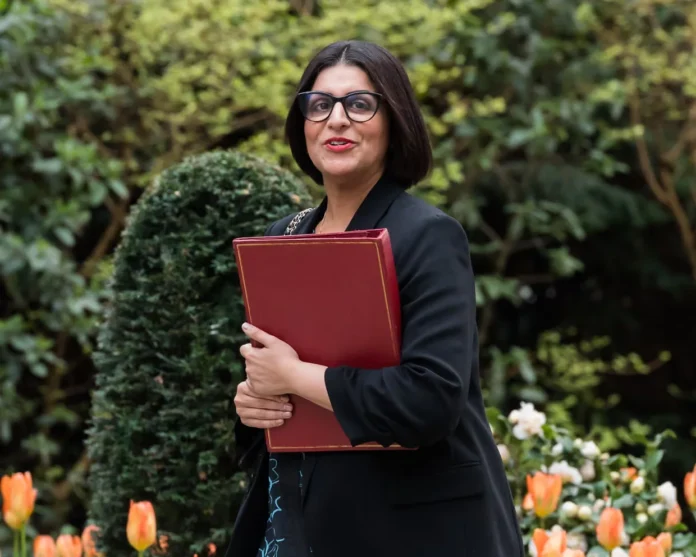


Labour Divided Over New UK Immigration Proposals
The UK government is facing growing internal pressure as proposed immigration reforms—particularly plans to extend the settlement period for migrants—have sparked disagreement within Labour Party.
The changes, reportedly under discussion by senior ministers including Shabana Mahmood, aim to tighten immigration rules amid rising political focus on border control.
However, the proposals have triggered concern among Labour backbenchers, exposing divisions within the party.
The debate comes as the UK faces growing controversy over proposals such as a visa ban linked to slavery reparations, highlighting deeper policy tensions.
What Are the Proposed Changes?
At the center of the debate is a plan to increase the time required for migrants to gain permanent settlement in the UK:
- Current pathway: 5 years
- Proposed change: 10 years
Supporters argue the move would:
- Reduce pressure on public services
- Strengthen immigration control
- Align migration with long-term economic goals
Critics, however, say it could:
- Create uncertainty for skilled workers and families
- Make the UK less attractive to global talent
- Prolong instability for migrants contributing to the economy
At the same time, migrants are also dealing with rising costs following the latest UK visa fee increases in April 2026.
Rising Tensions Inside Labour
More than 100 MPs are reportedly uneasy about the direction of the policy, urging ministers to soften or reconsider the proposals.
Some within the party argue that stricter immigration measures risk alienating key voter groups and contradict Labour’s broader values on fairness and inclusion.
Others believe tougher policies are necessary to address public concerns over migration levels.
Immigration Remains a Key Political Battleground
The debate reflects a broader trend: immigration continues to dominate UK politics, with both major parties under pressure to present clear and firm policies.
Recent years have seen:
- Increased scrutiny of visa systems
- Calls for tighter border controls
- Growing public debate around migration levels
Experts suggest that immigration policy is likely to remain a central issue heading into future elections.
What Happens Next?
The proposed reforms are still under discussion and have not been finalized. Ministers are expected to continue consultations with MPs and stakeholders before any formal policy changes are introduced.
Observers say the outcome could shape the UK’s immigration system for years to come.
Key Takeaways
- UK ministers propose extending settlement period to 10 years
- Internal divisions emerge within the Labour Party
- Critics warn of economic and social impacts
- Immigration remains a central political issue in the UK