
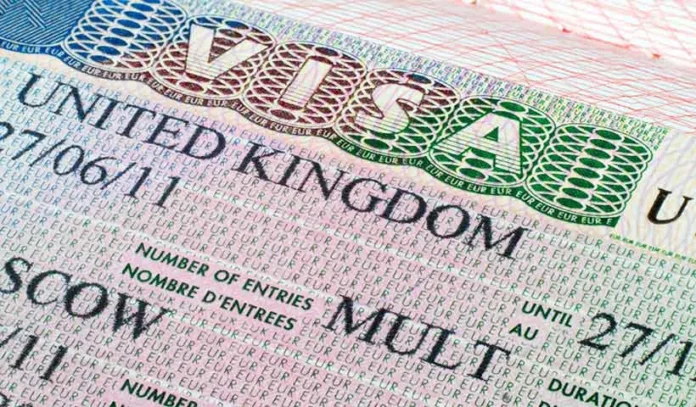


UK Introduces New Visa Fee Changes for 2026
The UK government has implemented a new round of immigration fee increases starting April 2026, impacting millions of applicants across visitor, student, and work visa categories.
The changes, introduced by the UK Home Office, are part of broader efforts to adjust immigration system costs and manage application demand.
The fee increases come alongside major policy debates, including proposed UK immigration settlement rule changes currently dividing lawmakers.
Key Visa Fee Increases
Under the updated structure, several visa categories have seen noticeable price hikes:
- Visitor visas: Increased by approximately 6–7%
- Student visas: Higher application fees for international students
- Work visas: Increased costs across multiple skilled worker routes
- Electronic Travel Authorisation (ETA): Rising from £16 to £20
Officials say the increases are designed to reflect administrative costs and maintain the sustainability of the immigration system.
Impact on Migrants and Travelers
The fee changes are expected to have a wide-reaching impact on individuals planning to enter or remain in the UK.
For students:
Higher upfront costs may add pressure to already expensive international education plans.
For skilled workers:
Employers and applicants may face increased financial burdens when applying for visas.
For tourists:
While the increases are relatively small, they could influence travel decisions for short-term visitors.
Why the UK Is Increasing Visa Fees
According to policymakers, the fee adjustments aim to:
- Reduce reliance on taxpayer funding for immigration services
- Cover rising operational and processing costs
- Ensure long-term efficiency of the visa system
However, critics argue that repeated fee increases risk making the UK less competitive globally, especially for international talent and students.
Part of a Larger Immigration Policy Shift
The visa fee changes come alongside wider discussions on tightening immigration rules, including potential reforms to settlement pathways and border control policies.
Analysts note that the UK is gradually shifting toward a more controlled and cost-intensive immigration system.
What Applicants Should Do Now
Experts recommend that applicants:
- Check updated visa fees before applying
- Budget for additional costs, including health surcharges
- Submit applications early to avoid further changes
Staying informed is critical as UK immigration policies continue to evolve.
The changes also follow controversy around a proposed UK visa ban related to reparations claims, reflecting tightening immigration policies.
Key Takeaways
- UK visa fees increased in April 2026 across major categories
- ETA fee rose from £16 to £20
- Changes affect tourists, students, and workers
- Part of a broader shift in UK immigration policy