
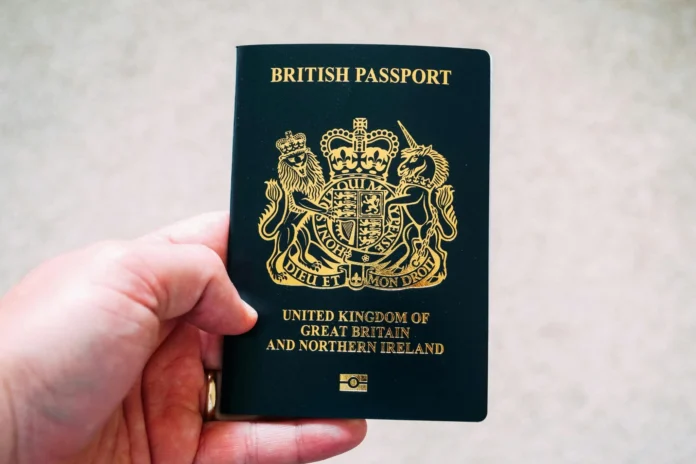


Thousands of UK travellers are being urged to act now as passport fees are set to increase again — but there are still simple ways to cut costs if you know what to do.
With the cost of living still high and travel plans picking up, renewing a passport has become another expense many households could do without. However, experts say there are several straightforward ways to avoid paying more than necessary.
Passport Fees Are Increasing — What You Need to Know
The UK government has confirmed that passport application fees are rising, meaning adults renewing a standard passport will pay more than before.
While the increase may seem small on paper, it adds up — especially for couples or families renewing at the same time.
For many older travellers planning holidays or visiting family abroad, this is an avoidable cost if handled smartly.
1. Renew Online — It’s Cheaper
One of the easiest ways to save money is simply avoiding paper applications.
- Online renewal is cheaper than applying by post
- It’s also faster and less prone to delays
- You can upload your photo digitally instead of paying for printed versions
Many people over 50 still default to paper forms, but switching online can save both time and money.
2. Avoid Using the Post Office Check & Send Service
The Post Office offers a “Check and Send” service, but it comes at an extra cost.
While it can be helpful, it’s not essential if you’re confident filling in the form yourself.
👉 Skipping this service could save you around £15–£20 per application.
3. Check Your Passport Early (Don’t Leave It Late)
Leaving renewal until the last minute is one of the biggest money traps.
If you need your passport urgently, you may have to pay for:
- Fast-track services
- Premium same-day processing
These can cost significantly more than standard renewal.
Tip: Check your passport at least 6 months before travel — especially important post-Brexit, as many countries require extra validity.
4. Take Your Own Passport Photo
Many people still pay for photo booths or shops — but you don’t have to.
You can now:
- Take a compliant passport photo at home
- Upload it directly during the online application
As long as you follow the guidelines (plain background, good lighting, neutral expression), this can save you £5–£10.
5. Renew Before the Price Increase Takes Effect
If your passport is close to expiry, it may be worth renewing before the new fees officially apply.
Even if you still have months left, renewing early could mean:
- Paying the current lower fee
- Avoiding future price hikes
6. Don’t Overpay for “Urgent” Unless Necessary
Many travellers panic and pay for fast-track services unnecessarily.
Standard renewals are often processed quicker than expected — especially outside peak holiday seasons.
Only pay for urgent services if:
- You’re travelling within 2–3 weeks
- You genuinely risk missing your trip
7. Double-Check Your Application to Avoid Costly Mistakes
Errors can lead to:
- Delays
- Rejections
- Paying again
Common mistakes include:
- Incorrect names or details
- Poor-quality photos
- Missing documents
Taking 5 extra minutes to review your application can prevent extra costs.
Why This Matters Now
With passport demand rising and fees increasing, millions of Brits are set to renew over the coming months.
For older travellers in particular — many on fixed incomes — avoiding unnecessary costs can make a real difference.
Final Thought
Renewing your passport doesn’t have to be expensive — but small decisions can quickly add up.
By applying online, avoiding extras, and planning ahead, you can keep costs to a minimum even as fees rise.
Quick Summary: How to Save Money
- ✅ Apply online instead of by post
- ✅ Skip paid checking services
- ✅ Take your own photo
- ✅ Renew early
- ✅ Avoid fast-track unless essential
- ✅ Double-check everything before submitting