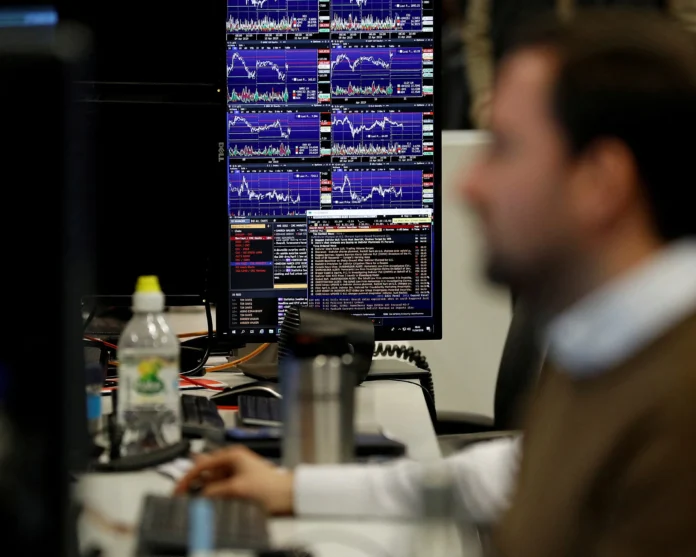


The UK economy is facing renewed pressure as escalating global conflicts send shockwaves through financial markets, pushing up energy prices and raising concerns about the cost of living.
The FTSE 100 has seen its recent gains wiped out, reflecting growing investor uncertainty amid tensions in the Middle East. Analysts warn that continued instability could have far-reaching consequences for the UK’s economic recovery.
Markets React to Global Tensions
Stock markets have become increasingly volatile as geopolitical risks intensify. Investors are moving cautiously, with energy and defence stocks rising while other sectors face declines.
The drop in the FTSE 100 highlights how sensitive the UK economy remains to global events, particularly those affecting oil and gas supply chains.
Energy Prices Drive New Concerns
One of the most immediate impacts has been a surge in energy prices. As global supply fears grow, oil and gas costs have climbed—raising the risk of higher household bills across the UK.
For many families, this could mean:
- Increased electricity and heating costs
- Higher fuel prices
- Added pressure on already stretched budgets
Businesses are also feeling the strain, with rising operating costs potentially leading to higher prices for goods and services.
Borrowing Costs Climb
At the same time, UK government borrowing costs have surged to their highest levels since the 2008 financial crisis. This adds another layer of difficulty for policymakers trying to balance economic growth with fiscal responsibility.
Higher borrowing costs can also affect mortgage rates, making it more expensive for homeowners and buyers alike.
Impact on Inflation and Interest Rates
The latest developments could complicate efforts by the Bank of England to bring inflation under control.
If energy prices continue to rise, inflation could remain elevated for longer than expected—raising the possibility of prolonged high interest rates.
Outlook Remains Uncertain
Economists caution that the situation remains fluid, with the potential for further market disruptions if global tensions escalate.
While the UK economy has shown resilience in recent months, the latest shocks serve as a reminder of how quickly external factors can alter the outlook.
For now, households and businesses alike are bracing for a period of uncertainty as global events continue to shape the economic landscape.