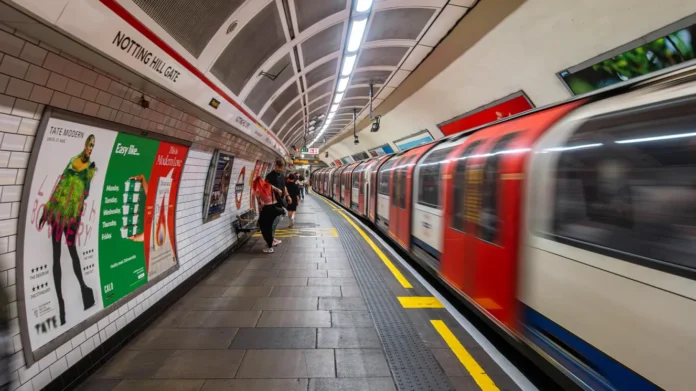


London is preparing for a fresh wave of transport disruption as Tube strikes are scheduled across April, May, and June 2026, raising concerns for millions of commuters and travellers.
The planned industrial action involves members of the Rail, Maritime and Transport union (RMT), who are set to stage six 24-hour walkouts over a three-month period.
Why Are the Strikes Happening?
The dispute centres on proposed changes to working conditions by Transport for London (TfL), including plans to introduce a compressed four-day working week for Tube drivers.
The RMT union has strongly opposed the proposal, arguing it could lead to:
- Longer working shifts
- Increased fatigue
- Potential safety risks
Union leaders say the changes could negatively impact both workers’ wellbeing and passenger safety.
Key Strike Dates
According to official updates, strikes are expected on the following dates:
- April 21–22
- April 23–24
- May 19–20
- May 21–22
- June 16–17
- June 18–19
Each strike is planned as a 24-hour stoppage, though disruption may extend beyond those hours as services recover.
Impact on Commuters
The strikes are likely to cause significant disruption across London’s transport network, particularly during peak travel times. However, the overall impact may vary.
Not all drivers are expected to participate, as another union, ASLEF, has shown support for the proposed working changes—meaning some services could continue running.
Still, passengers are being advised to:
- Plan journeys in advance
- Allow extra travel time
- Consider alternative transport such as buses, trains, or cycling
Ongoing Talks and Uncertainty
Earlier strike action planned for March was suspended following progress in negotiations, but the dispute remains unresolved.
Transport authorities and union representatives are continuing discussions, leaving open the possibility that further changes—or cancellations—could occur if an agreement is reached.
What Happens Next?
With multiple strike dates already confirmed, London faces a challenging spring for transport. Businesses, commuters, and tourists will all need to adapt as uncertainty continues.
For now, the situation highlights ongoing tensions within the UK’s transport sector—and the potential for further disruption if a resolution is not found soon.